
It's possible to overpack a trip and make it seem efficient on paper. But in reality, long flights, lousy airport beds, heat, walking, and early starts all impact one's ability to make good judgments on the first serious day of hunting. Thus, a little recovery time in a tightly packed itinerary can serve to allow for normal problems to be dealt with in a calm manner, as opposed to depleting one's resources for the real purpose of the trip.
Treat arrival as a transition, not a hunting day
It's not just about arriving for your hunting trip – first you have to get there. Long periods of time spent traveling, often lying in seats or on uncomfortable surfaces, often in high heat, staying up late, plus a host of other issues make it easy to arrive looking forward to that first hunt, feeling decent, only to discover you've been traveling far too long and are exhausted before you even put your boots on.
After arriving at your destination, allow for a rest day to check your physical state and equipment. Even though you've arrived at your destination, it's likely to be some time before you actually set off for your hunting ground. So, instead of immediately heading out into the field, allow for some time to unpack, and organize your clothing etc. Re-check your equipment, and sort out any bedding etc. The following day can still be useful, in terms of preparation, without feeling that you're wasting time.
This travel day can still be very useful. So unpack, confirm the next departure time, wash, dry and iron clothes, load up and check your gear, charge up your batteries and record all your expenses so far. Review your plans for the next day and make sure you have got all the information you will need for the rest of your trip.
Use the first pause to check the person and the kit
A practical rest day will have a few simple things for you to do to check the person and the kit. This could involve checking your feet for any signs of hot spots or blisters, checking for any signs of swelling in your feet and ankles, checking how your joints are, how you're sleeping, how your appetite is, etc. With small discomforts, these can be sorted out before they become major problems and potentially cause an injury.
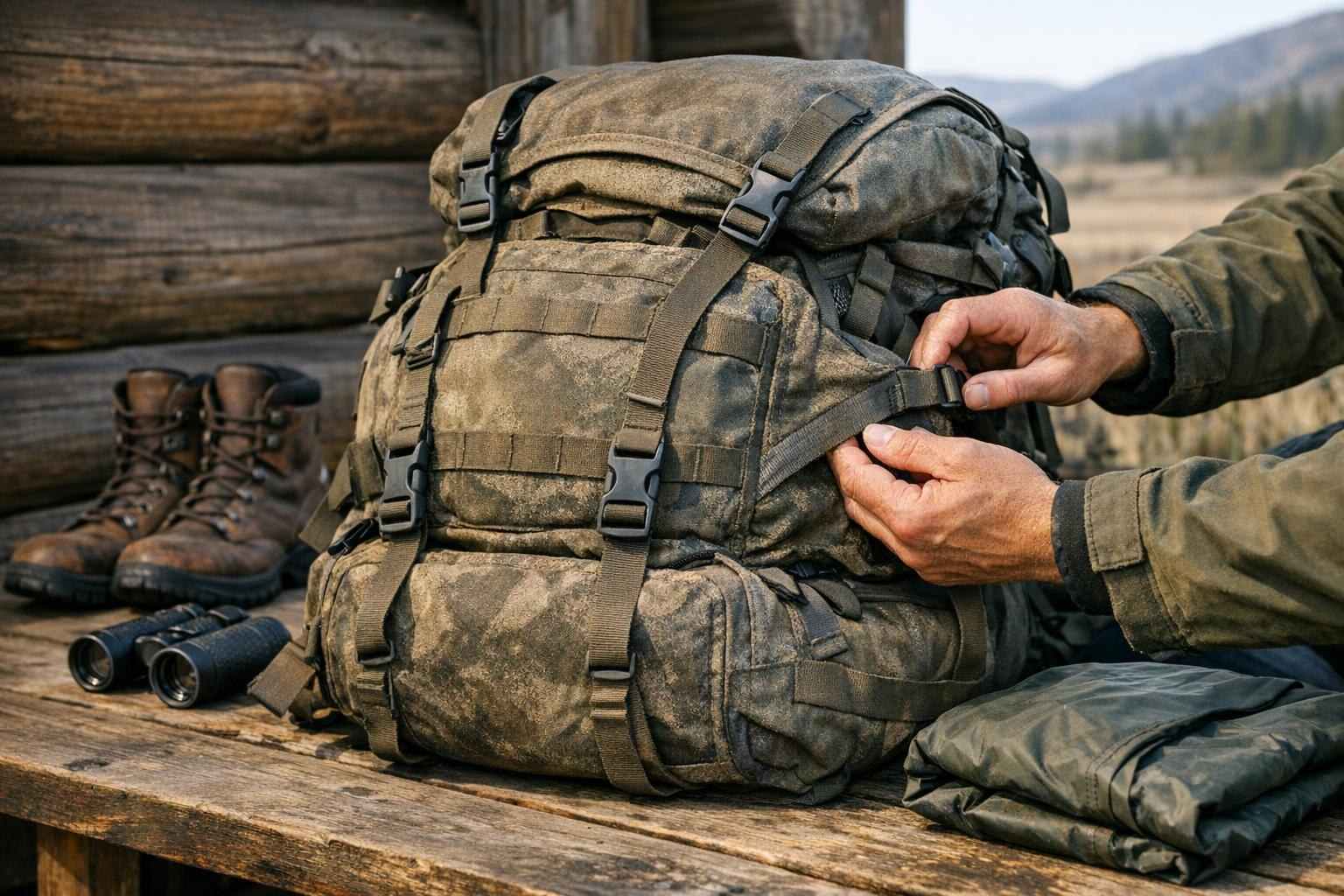
Next, inspect your gear to prepare your equipment for use on the trip. Inspect your hiking boots and socks for signs of blisters or hotspots. Check pack straps, optics, and other gear for proper function. Test the power and function of your cameras, GPS, and other electronics with their chargers and adapters. Look for worn, damaged or only partially functioning clothing and gear. Make sure all containers for water and foods are in good condition. Inspect all prescription medications to ensure they are fully stocked and not near expiration.
Take time to organize and check all the required documents such as ID, permits, health insurance documents and emergency contacts etc. for the trip. Requirements can vary depending on destination and type of hunting so verify latest requirements with relevant authorities and supplier before your departure.
Build recovery around the hardest days
Note that all recovery periods don't have to be full days. A longer morning on arrival is perfectly sufficient after an easy transfer to the destination and the following days then again have plenty of space for early starts or full days of activities.
It is wise to build in the hardest days of travel as the first part of the itinerary, thus allowing time for recovery before starting out on a demanding sequence of activities. It is also useful to have a rest day after a long and arduous period of travel, to enable assessment of any soreness and for repair of any kit that may have been subjected to undue stress.
A 24 hour rest day after travel needs to be flexible, allowing for the possibility of delays in travel, of baggage not arriving on time, of road closures or other unforeseen problems with travel to and from the venue for the trip. Your rest day can protect the rest of your trip.
Know which symptoms should change the plan
Some health problems will get better with rest and food, but others will worsen and could result in serious health problems or even death. Be aware of worsening headaches, faintness, repeated vomiting, confusion, chest problems, severe sunburn, or infected-looking cuts and sores while walking. Be aware of all health problems while on a trip and seek proper medical help when needed.
Don't use a rest day to hide off from your traveling companions or field staff. Let them know how you are feeling and they can help adjust your schedule, get assistance or even find medical help for you. The requirements for medical help and even for a valid travel document can vary so make sure you get the most up-to-date information for the area you are traveling to, and don't rely on previous travels for information.
In your rest day also take into account the factors that decrease your recovery from fatigue like alcohol consumption, inadequate sleeping, over-heating, and poor eating. Have the morning after your rest day in mind when deciding what to do on that evening.
Make the day useful without overloading it
Even on a rest day a hunter is best employed doing low demand tasks. Such as to clean his muddy shoes and keep his clothes washed and dry, recharging his electronic equipment and re-packing his day pack for the following day's activities, recording his expenses for his trip and noting the location for his next meeting with his group of friends and/or their trip leader. A short walk can help to loosen up sore muscles, but only if it makes you feel better. Don't overexert on your rest day!
For the short amount of time you have, you can get across a number of critical points to your fellow hunters about what to expect the following day. Establish what time you will depart the following morning, go over the clothing to be worn in anticipation of forecasted weather, how much water will be needed for rehydration, discuss the layers to be worn, and confirm what can be left behind at camp.
Remember to also give yourself time to do nothing on your rest days. Enjoy a good dinner and make sure you get plenty of rest. Give yourself time to quieten your mind and to recharge.
Keep the itinerary flexible on purpose
African hunting trips and other rugged back-country adventures can benefit from having the potential for rest time visible in the initial planning stages. Recommend your proposed pace to your traveling companions, and ask them how much flexibility there is for a day to be negatively affected by a problem such as illness, delayed baggage, bad weather, etc. Don't plan your trip as though everything will go perfectly!
By putting each day of your trip into the itinerary under the relevant activity heading (i.e. travel, get familiar with environment, go for field activities, rest, etc.) it is easier to safeguard the odd rest day when you actually need it. Also when forced to shorten a trip, it becomes clear which of the more physical activities will have to be cut before less necessary items.
A "rest day" does not necessarily mean a problem free trip, but a trip where one can identify any potential problems, fix any little equipment problems and make better decisions while still far from home when one is fatigued. All of this can be part of good trip planning.